
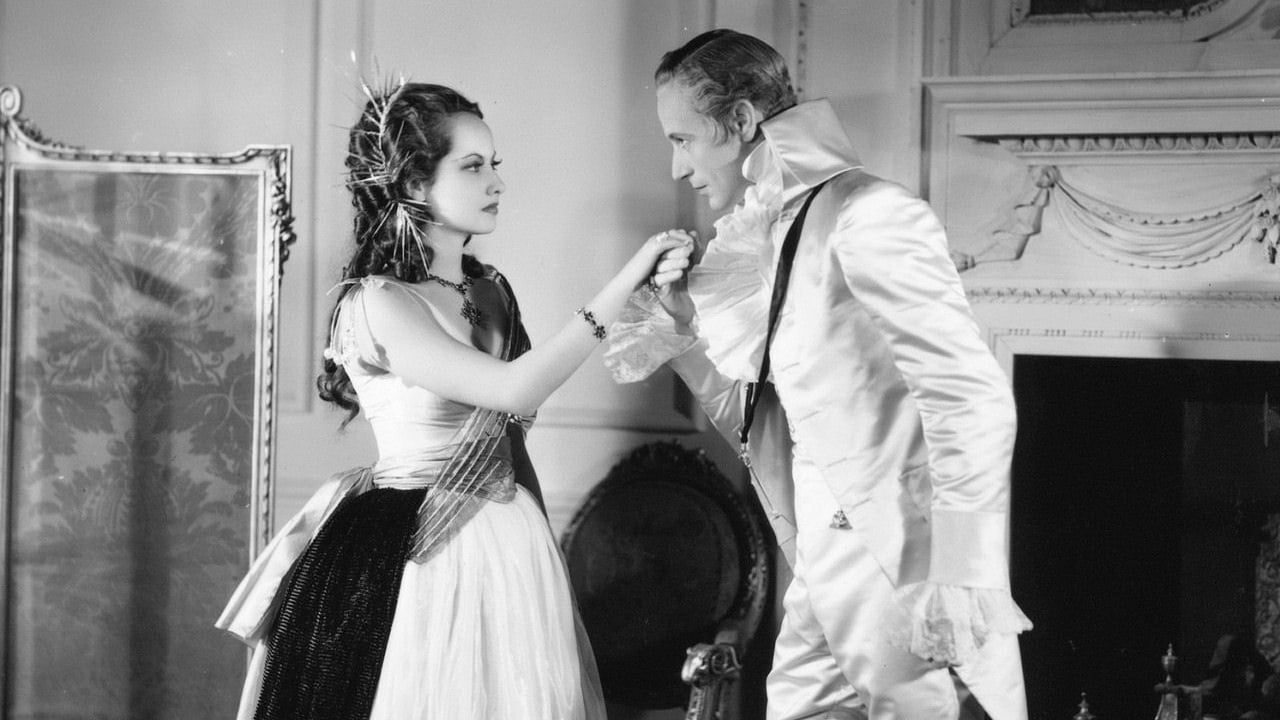
 Tonight's pickThe Scarlet Pimpernel1934 · ★ 7.018th century English aristocrat Sir Percy Blakeney leads a double life. He appears to be merely the effete aristocrat, but in reality is part of an underground effort to…
Also purring along
 The Agony and the Ecstasy1965 · ★ 7.0During the Italian Renaissance, Pope Julius II contracts the influential artist…
 Moonfleet1955 · ★ 6.5Set in the eighteenth century, Moonfleet is about John Mohune, a young orphan who is…
 Moulin Rouge1952 · ★ 6.6In 1890 Paris, Moulin Rouge is a nightclub where crippled artist Toulouse-Lautrec…
 The Browning Version1951 · ★ 7.6Andrew Crocker-Harris has been forced from his position as the classics master at an…
Cinecat
177 English-language films, 1930 to 1969, chosen for the whole household.
Comedy
Wit, farce and happy endings.

Comedy teams
Laurel and Hardy, Abbott and Costello, Hope and Crosby, and friends.
Adventure
Swords, ships, rockets and far horizons.

Romance
Love stories from Rome to Hong Kong.


History and true stories
Kings, painters, scientists and explorers.

Musicals
Songs, dancers and big bands.



The Cinecat guide to golden-age films
Cinecat: golden-age films to curl up with, from The Scarlet Pimpernel, The Winslow Boy and Three Coins in the Fountain to Road to Bali, Moonfleet and The World of Henry Orient
There is a kind of film made for a rainy afternoon, a comfortable chair and, ideally, a cat on the lap. It was made in the studio years, between the coming of sound and the end of the sixties. It tells its story clearly, it is finished in under two hours, its stars are people one is glad to see again, and it sends its audience home content. Cinecat is a guide to 177 films of that kind: English-language pictures made between 1930 and 1969. Each has its own page, its story, its director and cast, and a Watch now button that leads to the official services carrying it in your country.
The catalogue has been chosen for the whole household. Every film was read through by hand, and the selection favours adventure, comedy, romance, true stories and musicals. Crime pictures, horror, films of the battlefield, westerns and the heavier melodramas were left out. What remains is the golden age at its most agreeable: an English fop who is secretly the boldest rescuer in France, a father who stakes everything he has to clear his schoolboy son's name, three secretaries tossing coins into a Roman fountain, and two song-and-dance men adrift in the South Seas with a princess.
The pages below walk through the shelves one at a time, suggest three films for a first sitting, and show how the lists, the search field and My List fit together. Each title named along the way is a link, so a film that catches the eye is a single press from its own page.
What Cinecat offers
Cinecat is a viewing guide. Each of its 177 film pages carries a poster, a still, the story in a paragraph, the year, the running time, the director and the principal cast. Beneath them sits one button, Watch now, which opens JustWatch for the country you select and shows the subscription, rental, purchase and free services that carry the film there. The guide itself holds pages of information, and the playing of every film happens on those official services.
The films spread evenly over four decades: fifty-one from the thirties, thirty-five from the forties, forty-six from the fifties and forty-five from the sixties. By kind, ninety-two are comedies or carry comedy within them, eighty-four are dramas, sixty-five are romances, forty-two are adventures, thirty-nine are musicals or have music at their heart, thirty suit family viewing and twenty-eight are histories or true stories. Thirty-five come from British studios. Thirty-five feature the great comedy teams and clowns, from Laurel and Hardy to Morecambe and Wise, and five star Elvis Presley.
The home page is laid out like the front of a film magazine. Tonight's pick fills a large frame at the upper left, with four more recommendations in a box beside it. Rounded chips lead to the main lists. Beneath come rows of six posters for comedy, adventure, romance, history and true stories, and musicals, with a teal band between them listing eight films by the comedy teams.
A first evening
For a first evening, three films recommend themselves. The adventure is The Scarlet Pimpernel, produced by Alexander Korda in 1934. In the Paris of 1792 a mysterious Englishman is spiriting aristocrats away from under the noses of the revolutionary authorities, leaving only a small red flower as his signature. In London, meanwhile, Sir Percy Blakeney is the idlest dandy in society, interested only in the cut of a cuff, to the despair of his French wife Marguerite. Leslie Howard plays both faces of the same man with obvious delight, Merle Oberon is Marguerite, and Raymond Massey is the envoy Chauvelin, determined to learn the Pimpernel's name. The verse Sir Percy recites, They seek him here, they seek him there, has passed into the language.
The drama is The Winslow Boy, directed by Anthony Asquith in 1948 from Terence Rattigan's play, which was drawn from a real case. Ronnie Winslow, a naval cadet of thirteen, is sent home accused of taking a five-shilling postal order. He tells his father he is innocent, his father believes him, and the family spends two years, its savings and much of its peace in forcing the case to be heard. Robert Donat plays Sir Robert Morton, the most expensive barrister in England, whose cross-examination of the boy in the family drawing room ends the first half with one of the great curtain lines. It is a film about what is right, as distinct from what is merely just, and it is gripping from first scene to last.
The comedy is Road to Bali, from 1952, the sixth of the Road pictures and the only one in Technicolor. Bing Crosby and Bob Hope play two vaudeville performers who leave Australia in a hurry, sign on as divers and find themselves on an island with Dorothy Lamour, a sunken treasure and a giant squid. The jokes are aimed over the heads of the story at the audience, the songs are easy, and famous faces wander through for a few seconds each. The Road to Hong Kong, the last of the series, is also on Cinecat.
Any one of the three shows what the catalogue is for, and each leads onward: the Pimpernel to The Prisoner of Zenda and The Count of Monte Cristo, the Winslows to The Browning Version and This Happy Breed, and the Road to the whole list of comedy teams.
Swashbucklers and adventure
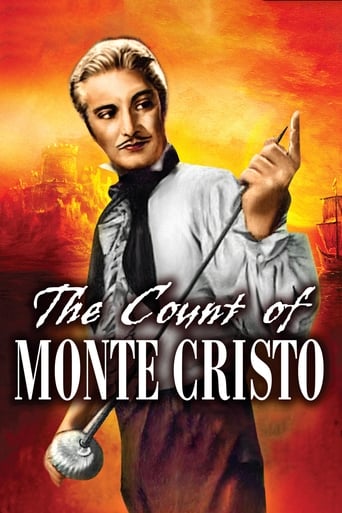
Forty-two films are adventures, and the adventure guide sorts them. The thirties loved the novels of Dumas. The Count of Monte Cristo, from 1934, gave Robert Donat his only Hollywood part as Edmond Dantès, the young sailor wrongly shut away in the Château d'If who escapes, finds a treasure and returns to Paris as a nobleman to settle accounts with the three men who wronged him. The Man in the Iron Mask, directed by James Whale in 1939, has Louis Hayward as both the vain young Louis XIV and his hidden twin, with the four musketeers, grown older, riding once more.
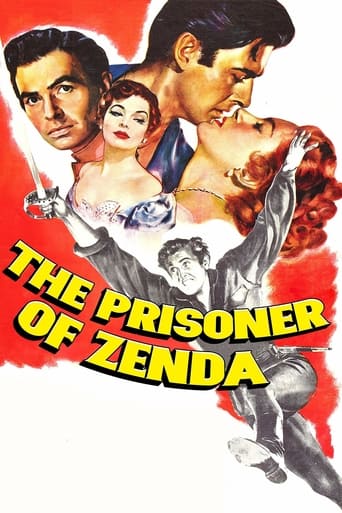
The Prisoner of Zenda is here in its Technicolor version of 1952, which follows the earlier film almost shot for shot: Stewart Granger is the Englishman who must impersonate a king, Deborah Kerr is Princess Flavia, and James Mason is a silky Rupert of Hentzau. If I Were King, from 1938, written by Preston Sturges, stars Ronald Colman as the poet and rogue François Villon, who boasts in a tavern of what he would do in the king's place and is given a week to prove it by Basil Rathbone's sly Louis XI. Colman appears again in The Devil to Pay!, a light comedy of 1930.
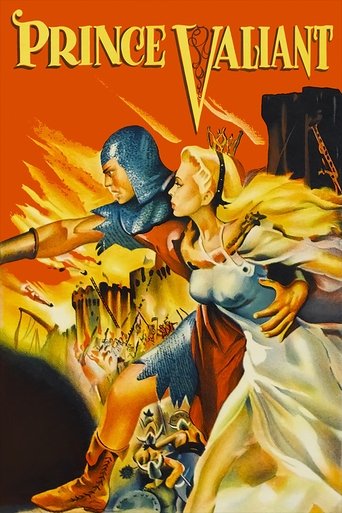
Knights and legends fill the fifties in CinemaScope and colour. Prince Valiant, from 1954, brings the newspaper strip to the screen, with Robert Wagner as the Viking prince at King Arthur's court and James Mason as the Black Knight. Quentin Durward, from Sir Walter Scott, sends Robert Taylor's Scottish knight to France and ends with a duel fought swinging from bell ropes. The Sword and the Rose is Disney's tale of Mary Tudor, sister of Henry VIII, and the commoner she loves. Ali Baba and the Forty Thieves and The Golden Blade are Arabian Nights fantasies in bright colour, and The Adventures of Marco Polo takes Gary Cooper to the court of Kublai Khan.
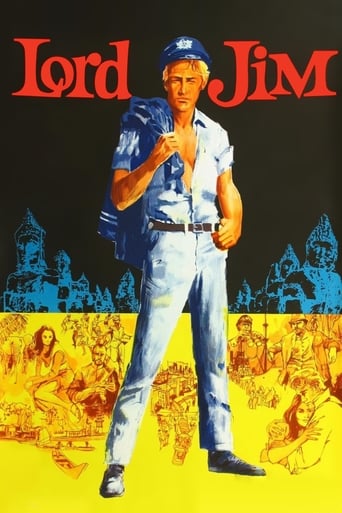
Fritz Lang's Moonfleet, from 1955, is the most atmospheric of them. On the Dorset coast in 1757 a small boy, John Mohune, arrives with a letter for Jeremy Fox, an elegant gentleman who leads the local smugglers. The boy's trust slowly works on the man, and there is a hidden diamond, a churchyard at night and a well of great depth. Pirates of Tortuga sails the Caribbean. Lord Jim, Richard Brooks's 1965 film of Joseph Conrad, has Peter O'Toole as a young ship's officer seeking, in a remote river country, to redeem a single moment of failure.
Scott of the Antarctic, made at Ealing in 1948, tells the true story of Captain Scott's journey to the South Pole with John Mills, colour photography shot partly in Norway and Switzerland, and a score by Vaughan Williams that he later turned into a symphony. Test Pilot, from 1938, puts Clark Gable in the cockpit, Spencer Tracy on the ground as his mechanic and Myrna Loy between them as the Kansas farm girl he marries the day after landing in her field. And the two chapter serials, Flash Gordon and Flash Gordon's Trip to Mars, with Buster Crabbe as the hero and Charles Middleton as the Emperor Ming, are the grandparents of every space adventure since.
History and true stories
Twenty-eight films are drawn from history or from real lives, and the true stories guide lists them. The Private Life of Henry VIII, from 1933, was the film that put British cinema on the world map. Charles Laughton plays the king across five of his marriages as a great hungry child, tearing a chicken apart at table and lamenting that manners are dead; he won the Academy Award, the first given for a British film. Laughton and the producer Alexander Korda followed it with Rembrandt, from 1936, a quiet, beautiful portrait of the painter in his later years.
The Tudors return in Young Bess, from 1953, with Jean Simmons as the young Elizabeth, Stewart Granger as Thomas Seymour, Deborah Kerr as Catherine Parr and Laughton once more as Henry. Marie Antoinette, from 1938, was one of the most lavish productions MGM ever mounted, with Norma Shearer as the queen, Tyrone Power as Count Fersen and Robert Morley as Louis XVI. Anna and the King of Siam, from 1946, is the original dramatic telling, with Irene Dunne and Rex Harrison, of the story that later became a famous musical.
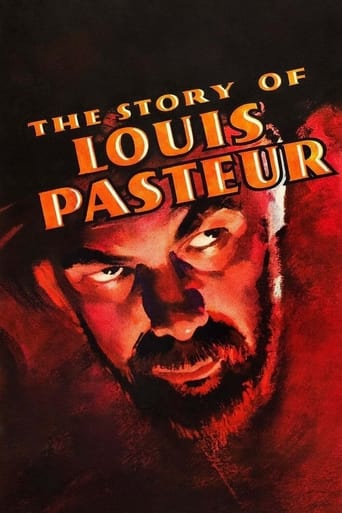
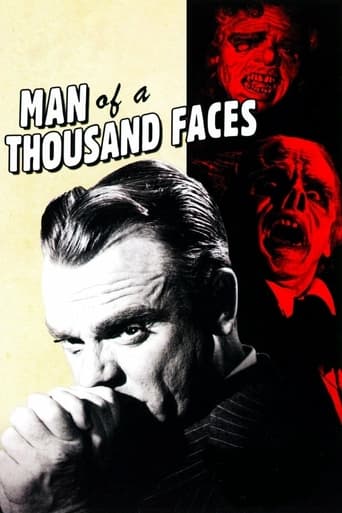
Artists and scientists have their films too. John Huston's Moulin Rouge, from 1952, follows the painter Henri de Toulouse-Lautrec through the dance halls of Montmartre, with José Ferrer, and colour designed to look like the posters themselves. The Agony and the Ecstasy, from 1965, is the contest of wills between Michelangelo, played by Charlton Heston, and Pope Julius II, played by Rex Harrison, over the ceiling of the Sistine Chapel. The Story of Louis Pasteur won Paul Muni the Academy Award as the chemist who proved that germs cause disease. The Great Moment is Preston Sturges's account of the Boston dentist who first used ether. The Magic Box, made for the Festival of Britain in 1951, tells of William Friese-Greene, a pioneer of the moving picture, with Robert Donat and almost every British star of the day in small parts; the scene in which he shows his first film to a passing policeman, played by Laurence Olivier, is treasured. Man of a Thousand Faces has James Cagney as the silent star Lon Chaney, and Fear Strikes Out has Anthony Perkins as the baseball player Jimmy Piersall.
The comedy teams
Thirty-five films belong to the clowns and double acts, and the comedy teams guide introduces each. Stan Laurel and Oliver Hardy appear in four features. The Bohemian Girl, from 1936, is their version of the operetta: the boys are travelling tinkers who bring up a small girl, unaware that she is a count's lost daughter. Great Guns, Jitterbugs and The Big Noise come from their later years at Twentieth Century-Fox; Jitterbugs, in which they run a two-man zoot-suit band and Stan impersonates a wealthy aunt, is the liveliest.
Bud Abbott and Lou Costello, the fast-talking sharper and the round innocent, were the biggest box-office draw of the early forties. Keep 'Em Flying, from 1941, puts them in a flying school with Martha Raye playing twin sisters. Bud Abbott and Lou Costello in Hollywood makes them barbers turned agents on the MGM lot. Comin' Round the Mountain takes them to the Kentucky hills, and Abbott and Costello Meet Captain Kidd gives them a treasure map and Charles Laughton, who plainly enjoys joining in.
W.C. Fields is seen in two of the four short comedies he made for Mack Sennett, each a small classic of grumbling: The Dentist and The Fatal Glass of Beer, a spoof of Yukon melodramas in which he opens the cabin door at intervals to announce the weather. He also joins Charles Ruggles, Mary Boland, George Burns and Gracie Allen on a motoring holiday in Leo McCarey's Six of a Kind. Buster Keaton's Grand Slam Opera, from 1936, is among the best of his sound shorts, with a juggling act that goes out over the radio. The Three Stooges appear in Movie Maniacs, Brideless Groom and the feature The Three Stooges Go Around the World in a Daze.
Bob Hope stars on his own in Casanova's Big Night, as a tailor's assistant in old Venice mistaken for the great lover, and Danny Kaye in Up in Arms, his first feature, and On the Riviera, in which he plays both a nightclub entertainer and the French aviator he resembles. Dean Martin and Jerry Lewis are together in Money from Home, and Lewis directs himself in The Patsy, as a bellboy whom a team of managers tries to turn into a star. Eddie Cantor dreams himself into old Baghdad in Ali Baba Goes to Town. And the two Blondie films, Blondie and Blondie Meets the Boss, open the long series taken from the newspaper strip, with Penny Singleton and Arthur Lake as the Bumsteads.
From Britain come Norman Wisdom, the little man in the tight suit and cloth cap, in One Good Turn, Just My Luck, The Bulldog Breed and Press for Time; Eric Morecambe and Ernie Wise in The Intelligence Men and That Riviera Touch; and The Plank, the 1967 original, with Eric Sykes and Tommy Cooper carrying a floorboard across town. Don Knotts in The Reluctant Astronaut, as a fairground rocket-ride operator who becomes a janitor at the space centre, rounds off the American side.
Comedy of manners
The comedy guide covers the wittier end of the shelf. The Divorce of Lady X, a Technicolor comedy of 1938, traps a young barrister, played by Laurence Olivier, in a hotel suite on a foggy night with a determined young woman, played by Merle Oberon, who lets him believe she is someone else's wife. Breakfast for Two has Barbara Stanwyck reforming a playboy by buying his company. Love Before Breakfast gives Carole Lombard two suitors and a famous black eye. The Rage of Paris introduced the French star Danielle Darrieux to America, and Forsaking All Others unites Joan Crawford, Clark Gable and Robert Montgomery in a comedy of the wrong bridegroom.
The Royal Family of Broadway, from 1930, is a loving send-up of a great acting dynasty, with Fredric March as the son who behaves exactly as a famous star of the day was said to. Topaze, from 1933, has John Barrymore as a timid schoolmaster who learns the ways of business. Quality Street, from J.M. Barrie, gives Katharine Hepburn a part as a spinster who invents a flirtatious niece. The Last of Mrs. Cheyney, You Belong to Me, with Barbara Stanwyck as a doctor and Henry Fonda as her jealous husband, and My Dear Secretary, with the young Kirk Douglas, continue the line into the forties.
The later comedies are sunnier. The Tender Trap, from 1955, has Frank Sinatra as a contented New York bachelor and Debbie Reynolds as the young actress who has her wedding date fixed before she has chosen the groom. Frank Capra's A Hole in the Head, from 1959, sets Sinatra as a Miami hotel keeper with a small son and large dreams, and introduced the song High Hopes. Fitzwilly, from 1967, stars Dick Van Dyke as the perfect butler who organises the staff to keep his generous employer's household afloat. A Majority of One pairs Rosalind Russell and Alec Guinness. If It's Tuesday, This Must Be Belgium follows a coachload of American tourists through nine countries in eighteen days.
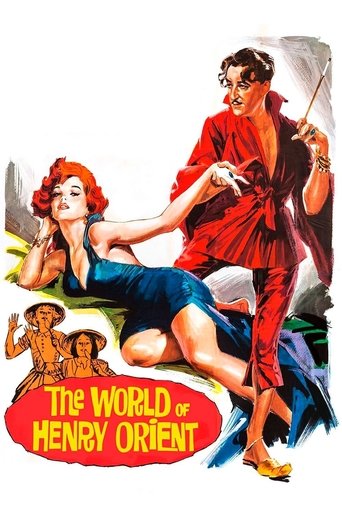
Best of all is The World of Henry Orient, directed by George Roy Hill in 1964. Two fourteen-year-old girls in New York, inseparable and wildly imaginative, decide to adore a vain concert pianist, played by Peter Sellers, and trail him around Manhattan in coolie hats, to his growing alarm. It is one of the truest films about girlhood friendship, and the two young actresses are wonderful.
Romance
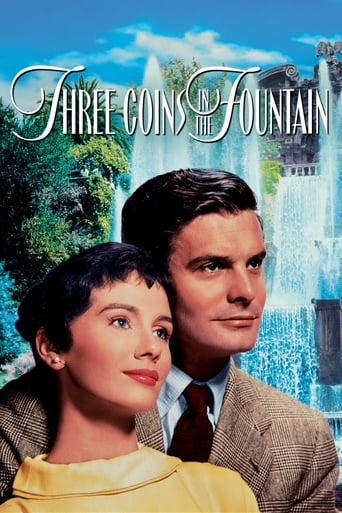
Sixty-five films are love stories, and the romance guide arranges them by setting. Three Coins in the Fountain, from 1954, was among the first films in CinemaScope and used the wide frame to show Rome in a way that was new to audiences. Three American women share an apartment and work as secretaries; each makes a wish at the Trevi fountain, and each finds a romance, with a prince, a translator and a writer. The title song won the Academy Award. September Affair, from 1950, has Joan Fontaine as a pianist and Joseph Cotten as an engineer who miss their plane at Naples and allow themselves a few borrowed months in Florence, to Kurt Weill's September Song.
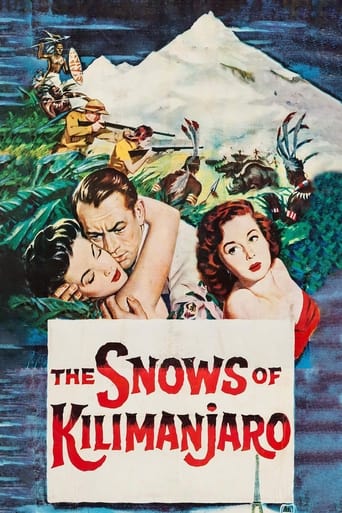
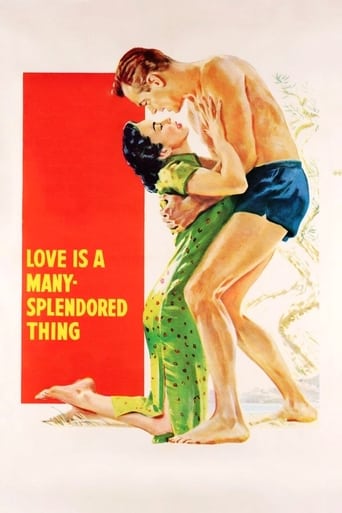
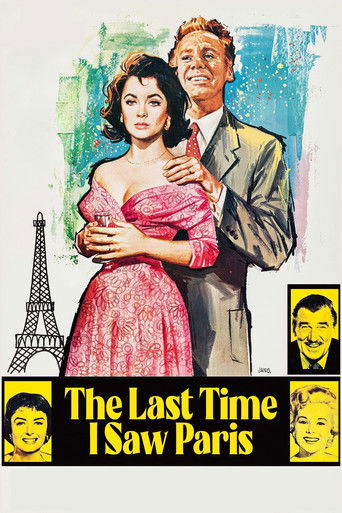
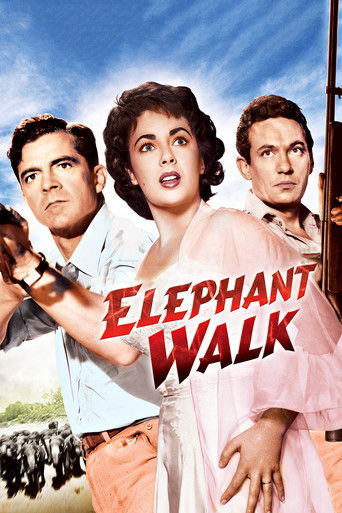
Love Is a Many-Splendored Thing, from 1955, set in Hong Kong, tells of a doctor, played by Jennifer Jones, and an American correspondent, played by William Holden, who meet on a hill above the harbour. The Last Time I Saw Paris, from a story by F. Scott Fitzgerald, has Elizabeth Taylor and Van Johnson in the city after the liberation. Elephant Walk takes Taylor to a tea plantation in Ceylon, where the bungalow stands across the ancient path of the elephants. The Snows of Kilimanjaro, from Hemingway, has Gregory Peck as a writer looking back from an African camp on the women he has loved, with Ava Gardner and Susan Hayward. The Rains Came, from 1939, sets Myrna Loy and Tyrone Power in an Indian city during a great monsoon, and won the first Academy Award for special effects.
The domestic romances are gentler. Made for Each Other, from 1939, pairs Carole Lombard and James Stewart as newlyweds meeting the ordinary trials of a first year. The Barretts of Wimpole Street, from 1934, is the courtship of the poets Elizabeth Barrett and Robert Browning under the eye of her formidable father, with Norma Shearer, Fredric March and Charles Laughton. Berkeley Square sends Leslie Howard back to the London of 1784 to meet the woman in an old portrait. Beyond Tomorrow is a Christmas fantasy in which three kindly old gentlemen bring a young couple together. Eternally Yours marries Loretta Young to a stage magician, played by David Niven. Mrs. Parkington follows Greer Garson from a Nevada boarding house to a Fifth Avenue mansion across sixty years.
From the fifties and sixties come Young at Heart, with Doris Day and Frank Sinatra in a houseful of musical sisters; The Tunnel of Love, directed by Gene Kelly, with Day and Richard Widmark as a couple hoping to adopt; If a Man Answers, with Sandra Dee and Bobby Darin; Strange Bedfellows, with Rock Hudson and Gina Lollobrigida in London; All in a Night's Work, with Dean Martin and Shirley MacLaine; and The Courtship of Eddie's Father, Vincente Minnelli's film of 1963, in which a small boy played by Ron Howard sets out to choose a new wife for his widowed father, played by Glenn Ford. The Yellow Rolls-Royce, from 1964, follows one motor car through three owners and three romances, with Rex Harrison, Shirley MacLaine and Ingrid Bergman.
Drama
The drama guide gathers eighty-four films. Beside The Winslow Boy stands a second collaboration of Anthony Asquith and Terence Rattigan, The Browning Version, from 1951. Michael Redgrave gives one of the finest performances in British cinema as Andrew Crocker-Harris, a classics master retiring through ill health, disliked by his pupils and by his wife, who is undone by a small unexpected kindness: a boy's gift of a second-hand book. David Lean's This Happy Breed, from a celebrated stage play and filmed in soft Technicolor, follows one south London family in one terraced house from 1919 to 1939. The Holly and the Ivy gathers a Norfolk family at Christmas. Mandy, made at Ealing in 1952, is the moving story of a little girl born deaf and the school that teaches her to speak. The Proud Valley, from 1940, stars the great singer Paul Robeson as a seaman who joins a Welsh mining village and its choir.
The American dramas are as good. Sam Wood's Our Town, from 1940, preserves Thornton Wilder's play about a New Hampshire village, with the young William Holden and a score by Aaron Copland. Jean Renoir's The Southerner, from 1945, is a year in the life of a Texas family trying to raise a first cotton crop of its own. The Search, filmed by Fred Zinnemann in 1948 among the ruins of Germany, follows a small boy and the American engineer, played by Montgomery Clift in his first released film, who takes him in while the boy's mother walks from camp to camp looking for him. John Ford's Arrowsmith, from Sinclair Lewis, stars Ronald Colman as an idealistic doctor, and Ford's The Last Hurrah gives Spencer Tracy one of his richest late parts as an old-style mayor fighting a final campaign.
Two films take the boardroom as their stage. Executive Suite, from 1954, shut six vice-presidents in a tower for a weekend to choose a successor, with William Holden, Barbara Stanwyck and Fredric March, and plays out in the natural sounds of the building alone. Patterns, written by Rod Serling, is its sharper cousin. The Catered Affair has Bette Davis as a Bronx mother set on a grand wedding for her daughter; A Child Is Waiting, directed by John Cassavetes with Burt Lancaster and Judy Garland, is set in a school for children with special needs; and Up the Down Staircase, from 1967, follows a new teacher, played by Sandy Dennis, through her first term at a crowded New York high school.
Musicals and singers
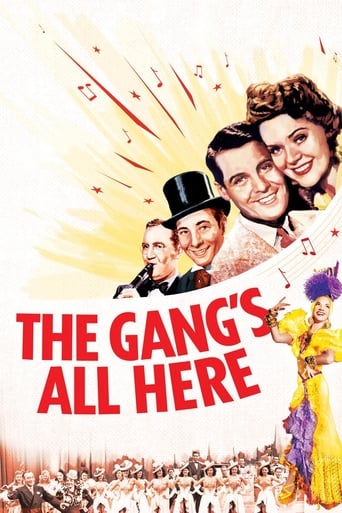
Thirty-nine films have music at their heart, and the musicals guide lists them. Busby Berkeley's The Gang's All Here, from 1943, is Technicolor at its most extravagant: Carmen Miranda sings under a headdress of bananas that seems to reach the roof, chorus girls wave giant strawberries, and the camera glides through it all as if on air. Gold Diggers of 1937 has Dick Powell selling insurance and Joan Blondell leading a regiment of chorus girls with flags and drums. The Great Waltz, from 1938, is a fantasy on the life of Johann Strauss; the sequence in which a carriage ride through the Vienna Woods gives him a tune, bar by bar, from the horse's hooves and the birds, won the Academy Award for photography.
Night and Day, from 1946, casts Cary Grant as Cole Porter and strings two dozen of Porter's songs along the way. Birth of the Blues has Bing Crosby forming a jazz band in old New Orleans with Mary Martin and the trombonist Jack Teagarden, and Waikiki Wedding has Crosby in Hawaii singing Sweet Leilani. With a Song in My Heart, from 1952, tells the true story of the singer Jane Froman, who returned to the stage after a serious accident; Susan Hayward acts and Froman herself sings. I Could Go on Singing, from 1963, was Judy Garland's last film: she plays a star giving concerts at the London Palladium and hoping to know the son she left behind, and the concert scenes are Garland in full voice. The Story of Three Loves includes Moira Shearer dancing to Rachmaninoff.
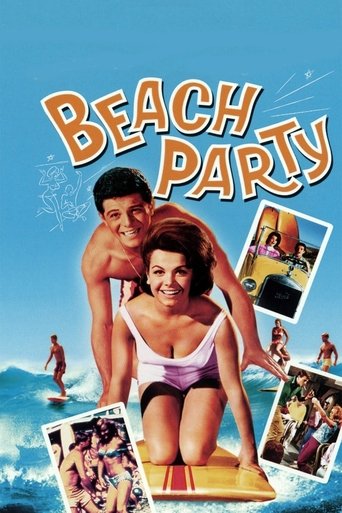
Britain's pop musicals of the sixties are pure high spirits. Summer Holiday, from 1963, sends Cliff Richard and his friends across Europe to Athens in a red London double-decker bus converted into a caravan. Half a Sixpence, from 1967, is the big-screen version of the stage hit, with Tommy Steele as Kipps, the draper's apprentice who inherits a fortune and learns what it is worth; the number Flash, Bang, Wallop is a joy. Happy Go Lovely, from 1951, is set at the Edinburgh Festival with Vera-Ellen and David Niven. From Hollywood's beach come Beach Party and Beach Blanket Bingo, with Frankie Avalon and Annette Funicello, surfboards and guitars.
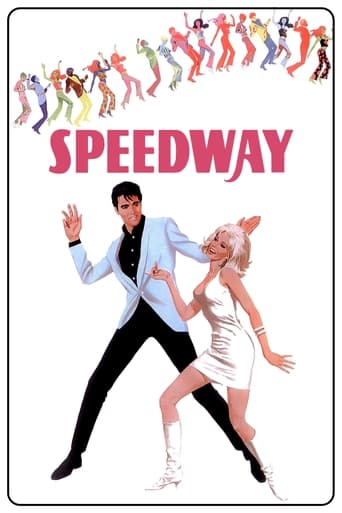
The Elvis Presley guide covers the five films with the King. Roustabout, from 1964, is the pick: Elvis plays a singer with a motorcycle who joins a struggling carnival run by Barbara Stanwyck. Fun in Acapulco has him as a lifeguard and singer who must face the high cliff dive; Speedway pairs him with Nancy Sinatra on the racing circuit; Clambake swaps his oil fortune for a job as a water-ski instructor; and Easy Come, Easy Go sends him diving for treasure.
Family films
Thirty films are gathered for family viewing, and the family guide picks the best. Walt Disney's studio is well represented. Son of Flubber, from 1963, is the sequel to The Absent-Minded Professor, with Fred MacMurray's inventor finding new uses for his flying rubber, including a football game the audience will remember. The Monkey's Uncle gives the college genius Merlin Jones a chimpanzee and a man-powered flying machine, with a title song by the Beach Boys. The One and Only, Genuine, Original Family Band is a musical of 1888 with Walter Brennan as the grandfather. Sammy, the Way-Out Seal hides a seal in a suburban house, and The Prince and the Pauper of 1962 is the studio's version of Mark Twain's tale of two boys who change places.
Twain is here again in The Adventures of Huckleberry Finn, from 1960, in colour, with Eddie Hodges as Huck and the boxing champion Archie Moore as Jim. Skippy, from 1931, taken from a newspaper strip, stars nine-year-old Jackie Cooper as a doctor's son who makes friends across the tracks; its director, Norman Taurog, won the Academy Award. Now and Forever has Shirley Temple as the small daughter of a charming adventurer played by Gary Cooper. Courage of Lassie gives the young Elizabeth Taylor a collie to raise. Peter Pan, the 1955 colour broadcast with Mary Martin and Cyril Ritchard, is the first television staging of the Broadway musical. The Big Circus is all sawdust and high wire, and Hello Down There moves a family into an experimental house at the bottom of the sea.
British films
Thirty-five films come from British studios, and the British guide groups them by maker. Alexander Korda's London Films supplies four from the thirties. Michael Powell is here at both ends of his career: The Edge of the World, from 1937, his first personal film, shot on the remote island of Foula, tells of the last families on a Scottish island deciding whether to leave; They're a Weird Mob, from 1966, made in Sydney, follows an Italian journalist learning the Australian language on a building site. Trio presents three stories by Somerset Maugham, among them the tale of a church verger who is dismissed for being unable to read and makes his fortune as a result.
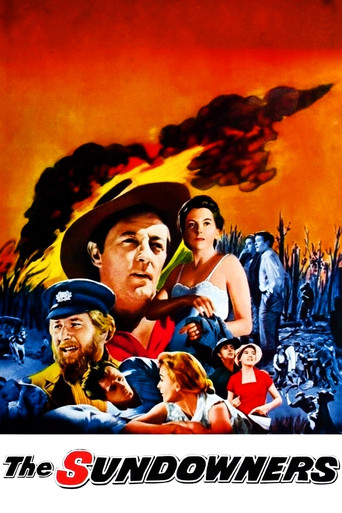
The lighter British comedies include Simon and Laura, from 1955, in which a quarrelling theatrical couple, played by Peter Finch and Kay Kendall, are hired to portray a blissfully happy pair in a daily television serial; Left Right and Centre, in which the two candidates in a by-election fall in love; Nurse on Wheels, with Juliet Mills as a district nurse in a village; Watch Your Stern and Father Came Too!, with the Carry On regulars on best behaviour. Fred Zinnemann's The Sundowners, a British-Australian production of 1960, follows a family of sheep drovers across the outback, with Robert Mitchum, Deborah Kerr and Peter Ustinov, and was nominated for five Academy Awards.
Decade by decade
Reading the catalogue by decade shows how the studios changed. The fifty-one films of the thirties are quick, talkative and often set among the rich, because audiences in hard times liked to visit penthouses. Sound was new, and the pictures revel in voices: Barrymore's, Laughton's, Leslie Howard's, Carole Lombard's. Many run under ninety minutes. The decade also produced the first great screen biographies and the costume adventures that made stars of Robert Donat and Ronald Colman. A good sampler would be Topaze, The Count of Monte Cristo, Six of a Kind and The Divorce of Lady X.
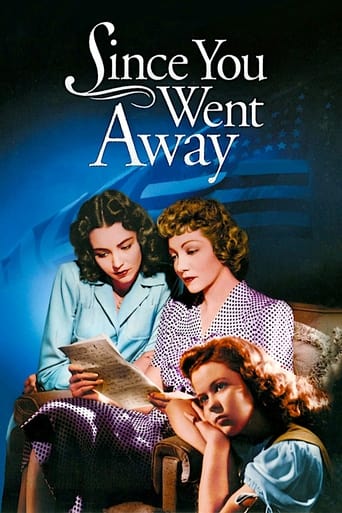
The thirty-five films of the forties are warmer and more domestic. With so many families separated, the studios turned to stories of home: Since You Went Away in America, This Happy Breed in Britain, and Our Town before either. Comedy belonged to the teams, and Abbott and Costello, Laurel and Hardy and Danny Kaye all appear. The decade closes with the British cinema at a peak, in The Winslow Boy and Scott of the Antarctic. A sampler: Jitterbugs, The Southerner, The Green Years and My Dear Secretary.
The forty-six films of the fifties are bigger and brighter. Television had arrived, and the cinema answered with colour, width and location shooting: Rome in Three Coins in the Fountain, Hong Kong in Love Is a Many-Splendored Thing, Africa in The Snows of Kilimanjaro, Paris in Moulin Rouge. Knights rode in CinemaScope, and Esther Williams swam in On an Island with You a little earlier. At the same time a quieter kind of drama, often born on the live television stage, produced Patterns, The Catered Affair and Fear Strikes Out. The Young Philadelphians, from 1959, with Paul Newman as an ambitious young lawyer, bridges the two styles.
The forty-five films of the sixties relax. The comedies travel, as in If It's Tuesday, This Must Be Belgium and Summer Holiday; the family films invent, as in Son of Flubber and Hello Down There; and pop music moves in, with Elvis Presley, Cliff Richard and the beach parties. The decade also holds some of the catalogue's most thoughtful pictures, among them A Child Is Waiting, Up the Down Staircase and Lord Jim. A sampler: The World of Henry Orient, Fitzwilly, The Yellow Rolls-Royce and Half a Sixpence.
Each decade has its own list on Cinecat, reached from the foot of every page, and each list can be sorted by popularity or read alongside the lists by kind. A household that enjoys one period will usually find a dozen more films waiting in the same place, and the home page rows change their leading titles as the catalogue is browsed, so that familiar favourites and fresh discoveries sit side by side.
One last suggestion for newcomers: pair a film from each end of the period. Min and Bill beside The Catered Affair shows how screen acting changed in twenty-five years, and Flash Gordon beside The Reluctant Astronaut shows how the dream of space travel moved from fantasy to the evening news. The classics talk to one another, and part of the pleasure of a catalogue like this one is overhearing the conversation from a comfortable chair.
Stars to follow
The stars guide offers another way through the catalogue. Clark Gable and Myrna Loy, crowned king and queen of Hollywood in a newspaper poll, made Test Pilot and Too Hot to Handle in the same year, 1938; in the second they are a newsreel cameraman and an aviator racing each other for a scoop. Gable is also in Comrade X, King Vidor's comedy of an American reporter in Moscow and a tram driver played by Hedy Lamarr. Spencer Tracy is seen in Tortilla Flat, from John Steinbeck's stories of Monterey, as well as in the films already named.
Bette Davis has four films here. In Front Page Woman, from 1935, she is a reporter out to prove herself the equal of any man in the newsroom. In Old Acquaintance, from 1943, she and Miriam Hopkins play two novelists, friends and rivals since girlhood. In A Stolen Life she plays twin sisters, one gentle and one bold, in love with the same lighthouse engineer. The Catered Affair shows her, a decade later, in a plain housedress and at her most truthful. Charles Laughton appears five times, Robert Donat three, and Tyrone Power, Loretta Young, Stewart Granger and Deborah Kerr three each. Kay Kendall, the most elegant comedienne Britain produced, brightens both Quentin Durward and Simon and Laura.
Directors reward the same attention. Frank Capra's Broadway Bill, from 1934, is a racetrack comedy that he liked well enough to make twice. John Cromwell directed Made for Each Other, Since You Went Away, David O. Selznick's long and loving picture of an American household keeping going while its father is overseas, and Anna and the King of Siam. William Wyler's Counsellor at Law, from 1933, takes place entirely in a New York law office, with John Barrymore at his most disciplined. Michael Curtiz, Henry King, Walter Lang and Richard Thorpe each have three or more films on the list.
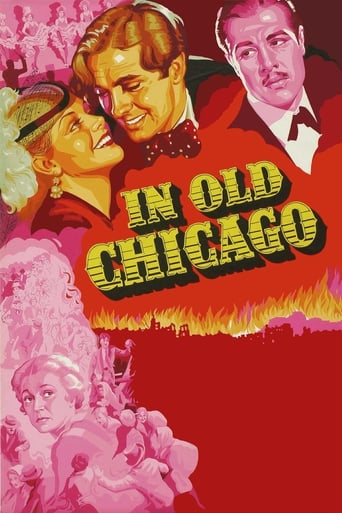
Some films are best described as curiosities, and they are among the pleasures of browsing. Just Imagine, from 1930, is a science-fiction musical comedy set in the New York of 1980, with flying cars, numbered citizens and a trip to Mars. Li'l Abner, from 1940, brings the hillbilly comic strip to life with heavy make-up. Forever and a Day, from 1943, tells the story of one London house across a hundred and forty years; it was written by twenty-one authors and acted by nearly eighty British players in Hollywood, all giving their services for charity. Min and Bill, from 1930, won Marie Dressler the Academy Award as the keeper of a waterfront boarding house. The Green Years follows an Irish orphan growing up in Scotland with a splendid old rascal of a great-grandfather, played by Charles Coburn. Kentucky, in Technicolor, is a tale of two horse-breeding families, and won Walter Brennan an Academy Award. In Old Chicago ends with the great fire of 1871, and Trouble Along the Way has John Wayne as a football coach bringing up his daughter.
Watching older films
A few notes help with films of this age, and the watching older films page sets them out. Most pictures made before 1950 are in black and white, and good restorations show them with rich blacks and fine detail. Technicolor, when it appears, is deliberately vivid. From 1953 the screen grew wider: CinemaScope films such as Three Coins in the Fountain, Prince Valiant and Moonfleet were composed for a frame more than twice as wide as it is high, and are best seen on the largest screen in the house.
The two Flash Gordon serials were made to be shown one chapter a week before the main feature, thirteen and fifteen chapters respectively, each ending with the hero in peril. Taken two or three chapters at a time they make a fine after-school programme. The short comedies last about twenty minutes and suit the same purpose. Features of the thirties are brisk, often seventy to ninety minutes, so a double bill is an easy evening.
Search, lists and My List
The search field in the header answers as you type and sets aside filler words such as watch, online and free, so a few letters of a title are enough. The finding titles page describes the search, the lists and the A to Z, which sets out all 177 films in alphabetical order.
Sixteen lists divide the catalogue. Four follow the decades from the thirties to the sixties. Ten follow kind: comedy, drama, romance, adventure, history and true stories, musicals, family, comedy teams, Elvis Presley and British films. Top rated holds the forty-three films that viewers have scored highest, and All titles holds everything. A film may sit in several lists at once, so Road to Bali is found under comedy, adventure, musicals, comedy teams and the fifties alike.
My List is the basket you fill as you browse these golden-age films. Each film page carries an Add to My List button, and the orange My List button in the header opens the basket as a grid of posters. The browser saves it on the device in your hands and brings it back on your next visit, and the list page can download it as a file to restore elsewhere. The My List page gives the steps, and the how to watch page explains the path from a title to a service.
A month with Cinecat
A simple plan for four weekends shows the range. On the first, take the three films of the first evening: The Scarlet Pimpernel, The Winslow Boy and Road to Bali. On the second, travel: Three Coins in the Fountain, Summer Holiday and The Sundowners. On the third, gather the family for Son of Flubber, The Adventures of Huckleberry Finn and two chapters of Flash Gordon. On the fourth, choose for the grown-ups: The Browning Version, The World of Henry Orient and Executive Suite. After that the lists will carry you on, and the comedy teams are always waiting for a spare half hour.
Questions and answers
Questions
What is Cinecat?
Cinecat is a guide to 177 golden-age English-language films from 1930 to 1969, each with its story, cast and a Watch now button to the official services that carry it.
Which film should I watch first?
Start with The Scarlet Pimpernel, The Winslow Boy or Road to Bali. They introduce the adventure, the drama and the comedy teams of the catalogue.
Is the catalogue suitable for families?
Yes. Every film was read through by hand, and crime pictures, horror, battlefield stories and westerns were left out.
Which comedy teams are included?
Laurel and Hardy, Abbott and Costello, Hope and Crosby, the Three Stooges, Martin and Lewis, Norman Wisdom, and Morecambe and Wise, among thirty-five films in the Comedy teams list.
Are there Elvis Presley films?
Yes, five: Roustabout, Fun in Acapulco, Clambake, Speedway and Easy Come, Easy Go.
Are the films in black and white?
Most films before 1950 are in black and white, and many later ones, such as Moonfleet and Three Coins in the Fountain, are in colour and CinemaScope.
How does My List work?
Press Add to My List on any film page. The browser saves the list on your device, and the list page can download it as a file.
Does Cinecat host films or downloads?
Cinecat is a guide only. Every Watch now button opens JustWatch, which lists the official streaming, rental and purchase services for your country.
